From its smallest watertoys to its biggest boats, the recreational yachting industry has its own vocabulary. Within the large-yacht sector, further specialized words describe vessels of extraordinary size and luxury. In fact, you’ll likely hear and read the terms megayacht, superyacht, and gigayacht. Although used throughout the industry, each has its own particular history and meaning, which continue to evolve. These words help distinguish not just the physical nature of these vessels, but also their capabilities, guest and crew accommodations, and the exclusive ownership niches they represent. Understanding the distinctions offers insight into the ever-expanding boundaries of what’s possible within the cruising lifestyle.

Megayacht
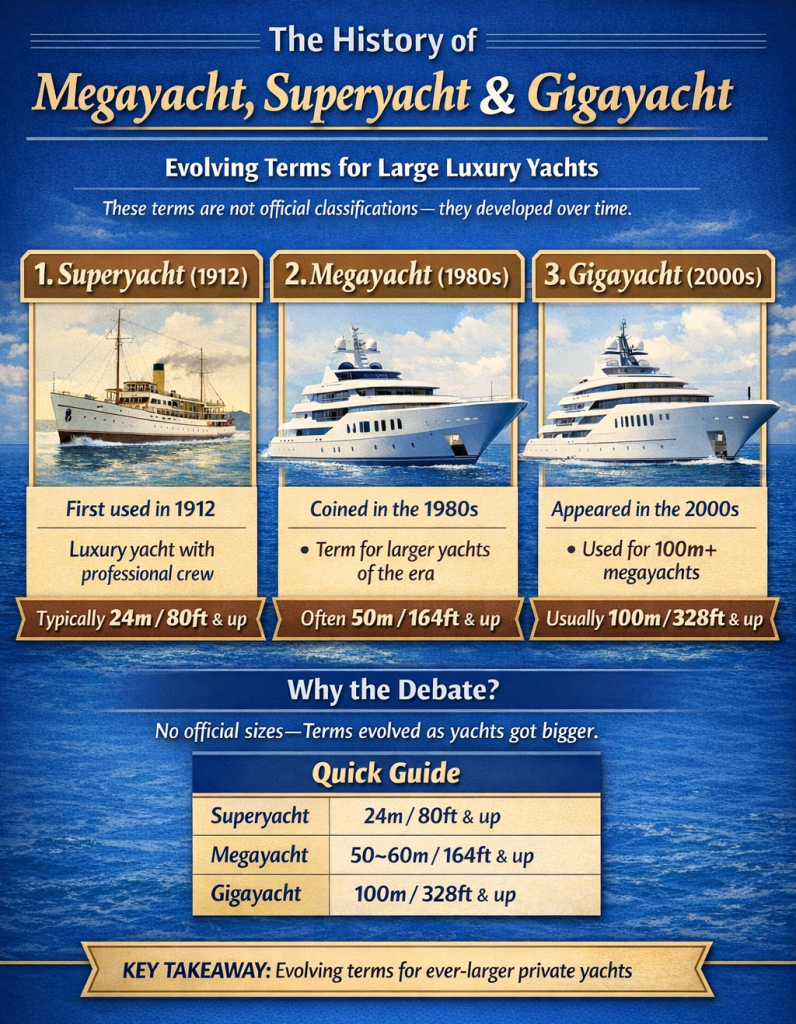
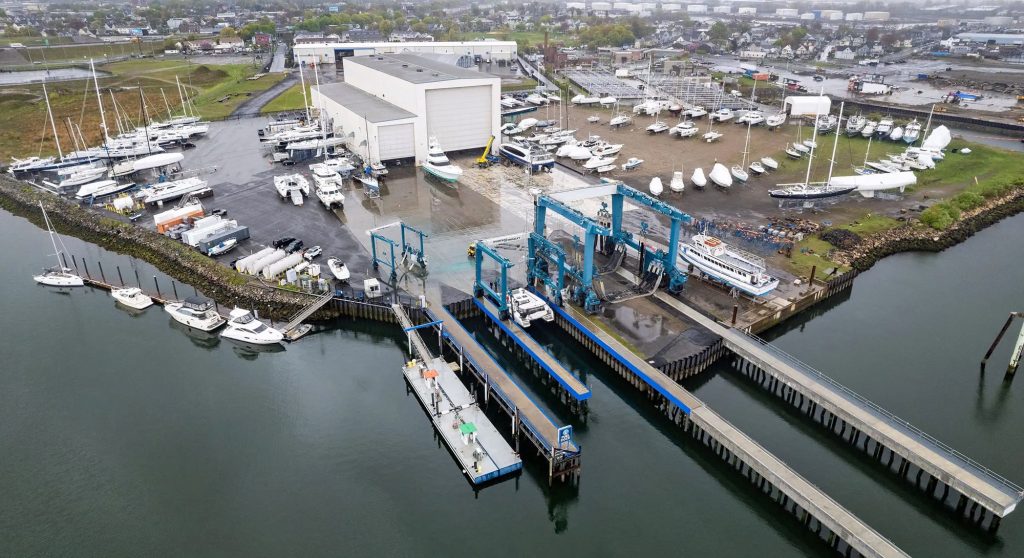
“Megayacht” emerged in the 1980s thanks to the late George Nicholson, founder of Camper & Nicholsons. In fact, one of the earliest documented credits appeared in the August 1985 issue of Power & Motoryacht magazine. The editor, Bonnie O’Boyle, wrote that Nicholson coined “megayacht” to better describe the increasing number of large luxury yachts. During that era, private yachts measuring 80 feet (approximately 24 meters) and larger were emerging in remarkable numbers. (On a related note, in that same issue, O’Boyle wrote the first-ever annual “World’s 100 Largest Yachts” feature and her first “Megayachts” column.) Besides being a broker, Nicholson was instrumental in establishing New York City’s North Cove Marina, which opened in 1989 as, in the words of her developer, a purpose-built megayacht marina. Notably, a year after the marina’s ribbon cutting, the Los Angeles Times also credited Nicholson with coming up with the word.
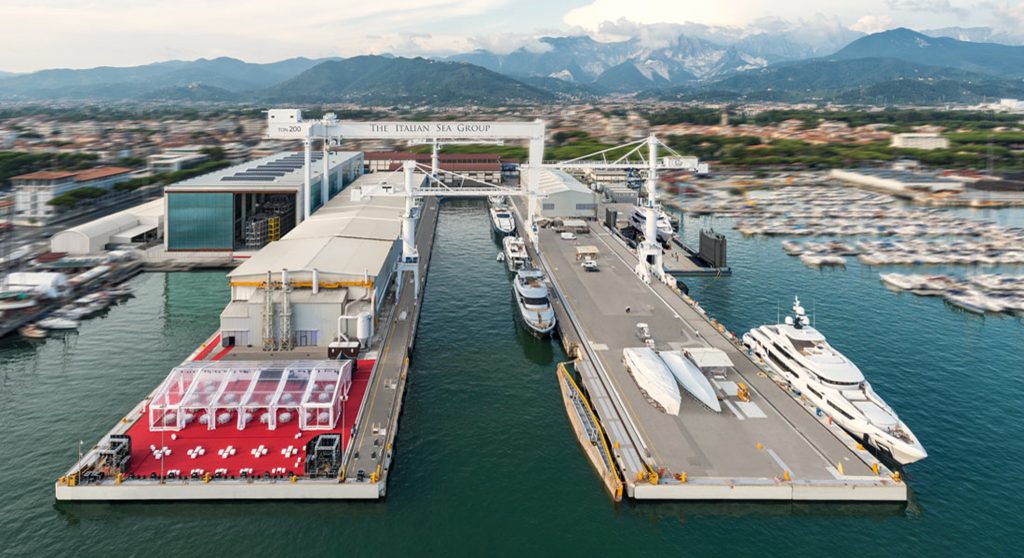
The rise of megayachts accelerated during the 1980s and into the 1990s because of a few factors. Primarily, it was the greatest economic boom in history. Additionally, advances in marine engineering and composite materials made it possible to build larger vessels that maintained efficiency and comfort. Shipyards in Italy, Germany, The Netherlands, and the United States earned renown for megayacht construction. In turn, the yachts opened up new destinations for owners due to having longer range, simultaneously elevating luxury.
Generally, a megayacht still means a privately owned luxury yacht measuring 80 feet or more. Some industry representatives currently put the threshold at 100 feet (30 meters). Others claim the definition starts around 164 to 197 feet (50 to 60 meters). However, the deciding factor was, and remains, a privately owned yacht that requires professional crewmembers due to being too complex for owners to operate themselves. In the 1980s and into the 1990s, megayachts from the smallest to the largest size were fully custom. Overwhelmingly today, semi-custom construction dominates, well above 164 feet/50 meters. Owners still can outfit interiors and arrange staterooms, lounges, and alfresco areas as they wish. But, structural bulkheads and engineering platforms are largely untouchable. It’s practical for both the shipyards and the buyers, streamlining processes and controlling costs.
Today, the 80-foot/24-meter and up segment counts upwards of 10,000 vessels in operation worldwide. They serve as both personal retreats and vacation “homes,” with about 30 percent of the global fleet available for charter. The megayacht classification has become somewhat overshadowed by newer terminology, but it retains relevance for the large yacht spectrum.

Superyacht
“Superyacht” has become the most widely recognized and commonly used term in the large-yacht industry. Fascinatingly, the first documented use of it came back in 1912, in the Irish newspaper The Belfast News-letter. Interestingly, it took until the 1990s for “superyacht” to gain widespread traction, when Europeans preferred it over “megayacht.” They used it to describe the same professionally crewed motor- or sailing yachts measuring 80 feet/24 meters or longer. Gradually, it grew in acceptance across the Atlantic and around the world.
Just as with “megayacht,” some industry professionals claim the term applies to certain other sizes. Their arguments, though, tend to focus on the perceived luxury, including level of customization, rather than the long-accepted operational requirements. The 80-foot/24-meter definition has gained broad support, particularly among classification societies and maritime registries.
Superyachts/megayachts have highly trained professional crews. They typically include a captain, an engineer, deckhands, stewards/stewardesses, and a chef. Super-large superyachts sometimes have one or two sous-chefs as well. Crew-to-guest ratios can be nearly 1:1, which ensures highly personalized service. In terms of onboard features, the larger the yacht, the more lavish the amenities. For instance, they may include helipads, swimming pools, beach clubs, cinemas, and spas. The tenders and watertoys similarly are larger and more complex, from speedboats to submersibles, the larger the yacht is. Overall, superyacht design, and construction is as much art form as it is science and engineering. Renowned naval architects and interior designers create custom-made vessels that reflect their owners’ personalities and preferences down to the minutiae.
Also worth noting, the superyacht industry has grown into a significant economic driver. From the United States to Asia, it supports thousands of jobs across manufacturing, maintenance, crew services, marinas, and more. Major yacht shows in Monaco, Fort Lauderdale, Palm Beach, and Dubai showcase the latest designs and innovations and pump millions to billions into the local economies. To wit, the annual Fort Lauderdale International Boat Show has an economic impact exceeding that of the Super Bowl.
Gigayacht
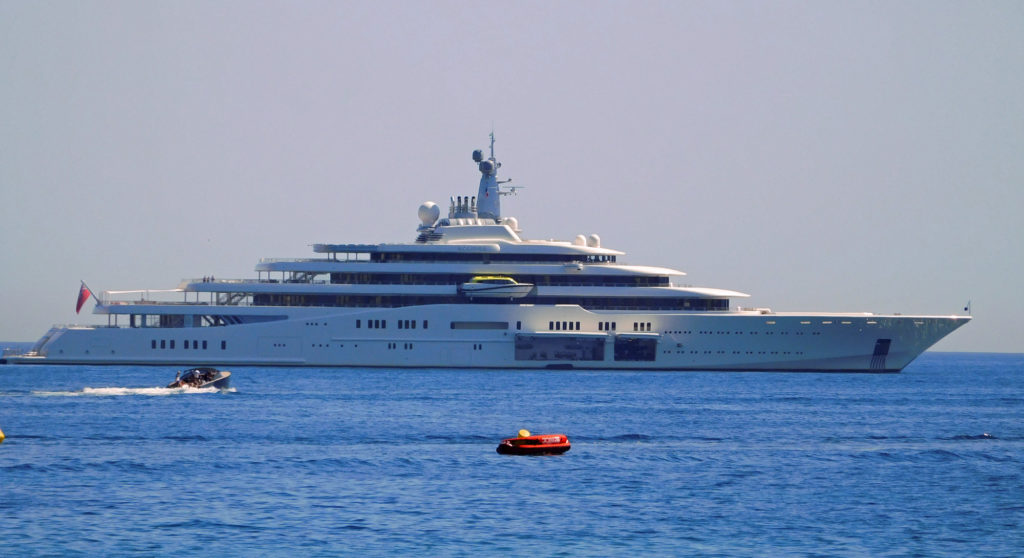
“Gigayacht” is a rare description in yacht terminology. Only a handful of people and companies use it. Its initial documented use was a discussion thread on the popular but now-defunct Megayachts forum on the Power & Motoryacht magazine website. During the mid-2000s, a user wondered what word would be coined to refer to the growing number of yachts exceeding 300 feet (91 meters). It was an era which had seen the likes of Dubai (531 feet/162 meters) and Eclipse (535 feet/162 meters) start construction. Sarcastically, the user mentioned “gigayacht” as a possibility. The discussion gained so many threads that the magazine’s famous “World’s 100 Largest Yachts” feature referenced the term in 2006. 2015, the first widespread marketing with the word occurred, for a 656-foot (200-meter) concept design.
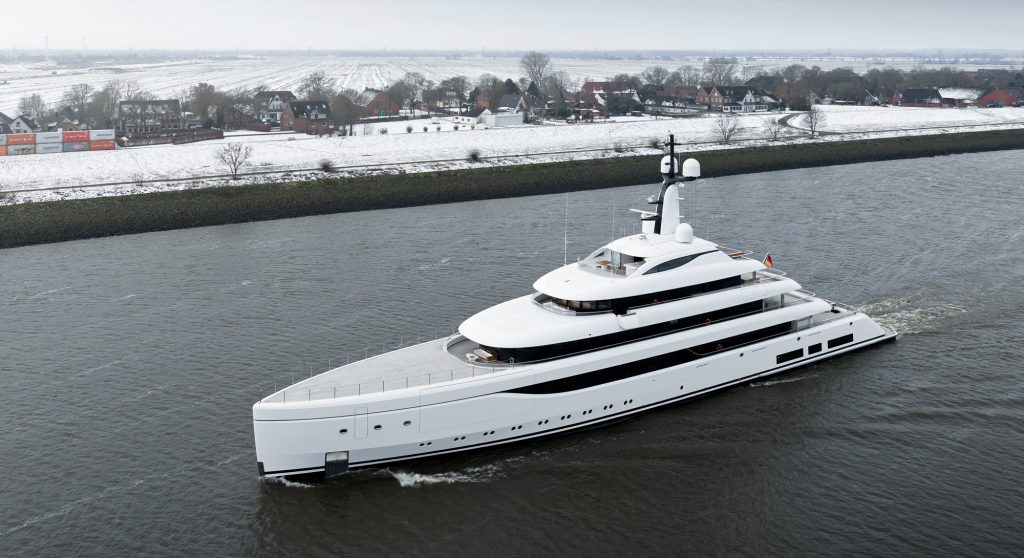
Fast forward to 2018, and the word re-emerged with Benetti. It nicknamed a 100-day window in which it launched three 100-meter-plus yachts as its “Gigayacht Season.” Since then, some industry representatives have continued using it for private yachts in that size range, sometimes exceeding 492 feet (150 meters). Like “mega” and “super,” “giga” emphasizes the extraordinary size, lavishness, and complexity.
No matter what you call them, projects of this magnitude do indeed operate on far different scales. Significantly, they require dozens more crewmembers, easily a total of 50. Guest-wise, it’s not uncommon for 24 people to have staterooms. An entire deck often is exclusively for the owners, too. (Although some “smaller” superyachts have owners’ decks, many of the arrangements include indoor or outdoor areas that guests can also access.) The overall amenities impress even the most jaded industry insiders. Two-deck-high atriums, video walls running the length of corridors or the height of rooms, and full medical facilities are some of the realities. Of course, extraordinary yachts come with extraordinary operating costs, tens of millions into the hundreds of millions annually. This explains why a fraction of the world’s wealthiest individuals commission them.
The immense size of gigayachts has stirred controversy and debate inside and outside the industry. Questions raise over their environmental impact more than any other size of yacht. The yachts have become targets of vandalism and protest against inequality, too. Strong association with Russians close to President Vladmir Putin also casts a shadow.

Mega, Super, Giga Conclusion
The linguistic preferences for the terms megayacht, superyacht, and gigayacht remain pretty fluid. What’s certain is that large luxury yachts continue evolving. Marine technology is ever-advancing, allowing naval architects, designers, builders, and yes, owners to push boundaries. Whether considered by feet or features, or by meters or millions, these vessels represent luxurious living on the water.