
A yacht doesn’t need to belong to a sanctioned oligarch to end up in the government’s crosshairs anymore. Reality is changing rapidly in the yachting world. The U.S. Treasury and its FinCEN bureau are widening sanctions and financial-crime enforcement in ways that can surprise superyacht owners, their captains, yacht brokers, insurers, and yacht management firms alike. In fact, it’s already happening, as you’ll hear in this episode of The Yacht Law Podcast.
For starters, we talk through what’s driving the widening sanctions net. Firstly, the number of sanctioned vessels worldwide—all types of vessels, including yachts—has exploded. Compliance expectations, especially due to geo-political developments in recent years, mean more KYC. But, KYC is no longer enough. Since superyachts are highly visible, they’re attracting more attention, including from government authorities. AI and data tools are increasingly good at spotting patterns they don’t like. Therefore, previously inoffensive moves are becoming red flags. Things like yacht name changes, for example, plus flag-state swaps suddenly are suspicious. Transiting to a nearby country to establish proof of export is, too.
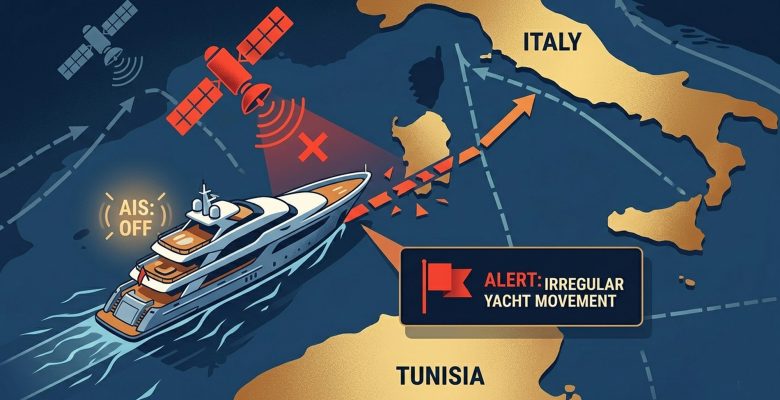
In fact, one of the most striking examples is how a port call or routing choice is now the spark for an investigation. Traditionally, a yacht departing a shipyard in Italy, an EU territory, might travel to Tunisia. Yacht brokers, yacht managers, and other professionals surrounding owners know legitimate reasons, including export intent and normal delivery workflows, support this decision. However, in more than one case, that exact journey has been labeled “irregular yacht movement.” In yet another example, switching AIS off even for brief periods raises a red flag. Why? Because tracking movement via other satellites is changing the old cat-and-mouse game.
Oddly, a silver lining may be emerging. Frozen yachts have moved more swiftly through the system and off taxpayers’ responsibility. Still, widening sanctions have a messy aftermath. Frozen megayachts are deteriorating, risking safety and environmental issues. All owners’ advisors would due well to pay closer attention.
What behavior do you think regulators are most likely to misunderstand next? Share this episode with a colleague, and subscribe to The Yacht Law Podcast for free via Apple Podcasts, Spotify, Amazon Music, or your favorite streaming platform.





Leave a Reply