

The yacht Project Zero is arguably one of the most ambitious sailing superyachts in modern years. With her launch approaching this month, never-before-revealed images and details show how this 226-footer (68.9-meter) at Vitters Shipyard is not just a technology story. She’s a deeply personal design for owners who crave comfort and a stronger connection to nature.
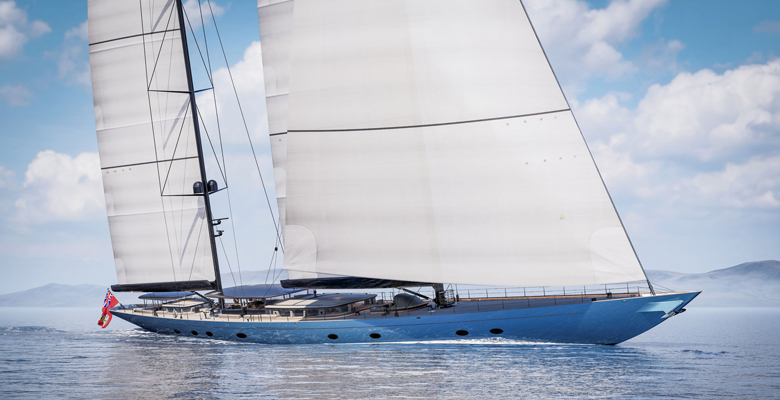
One of the largest superyachts coming in 2026, the yacht Project Zero gets her name from her lack of carbon emissions. In fact, this performance ketch will employ only solar and wind energy for propulsion and electricity production. No combustion engine is aboard for repositioning. Nor is a diesel-powered genset within her decks for hotel loads. Her owners are behind Foundation⁰ (Foundation Zero), which shares insights and data publicly on what’s possible with sustainable technology. That includes everything about their sailing yacht’s design and operations, featuring naval architecture by Dykstra Naval Architects and both styling and interiors by Vripack.
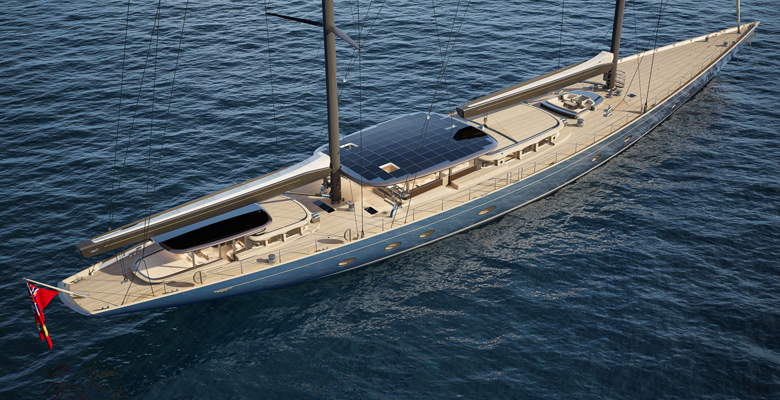
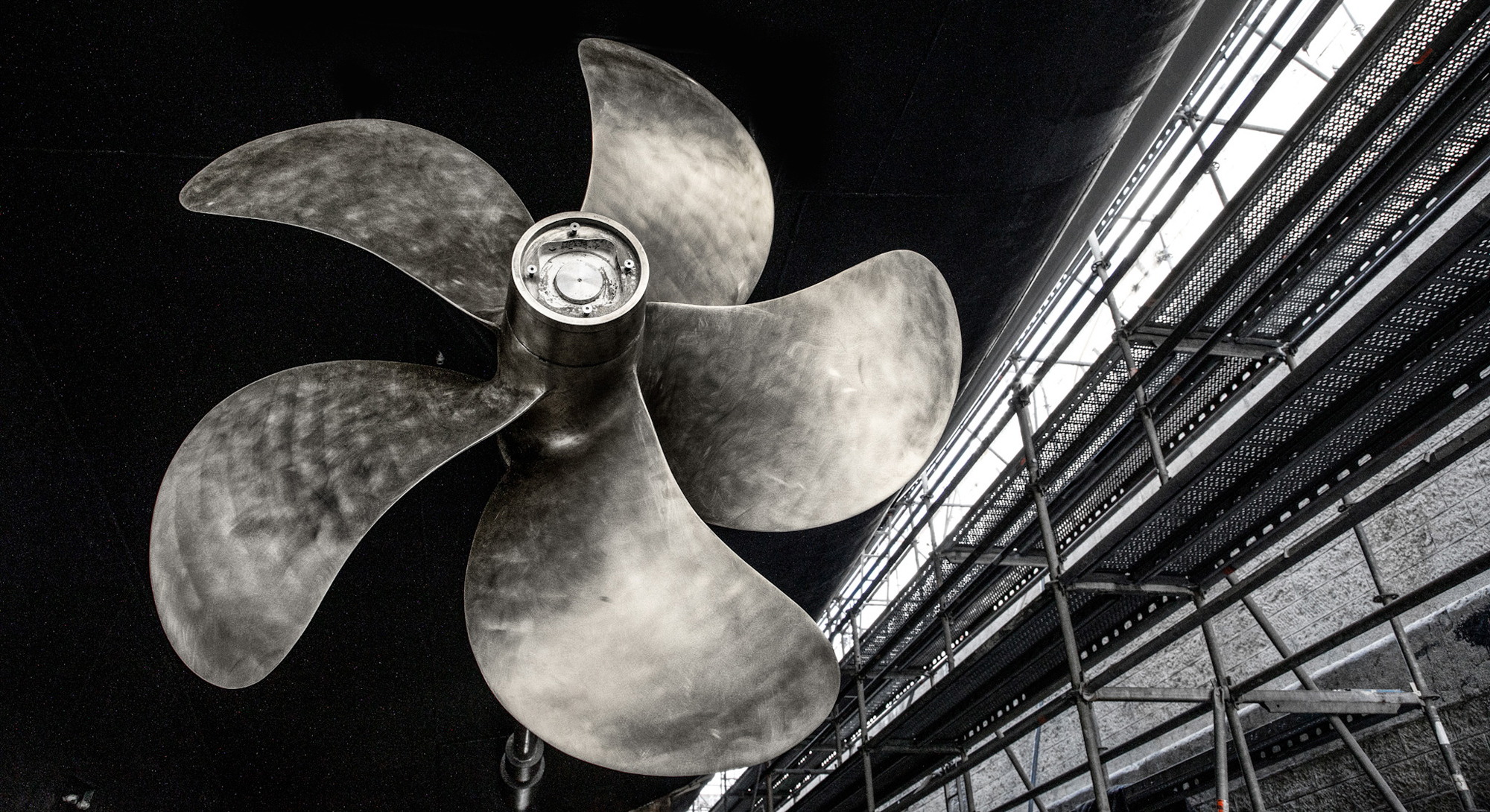
“It all began with the technology, but we knew she also had to be beautiful,” notes Marnix Hoekstra, Vripack’s co-creative director. Regenerative systems, including turbine propellers for hydro-generation, fulfill the brief for sailing up to two weeks solely on renewable energy. So, too, does 1,076 square feet (100 square meters) of photovoltaic thermal panels on her biminis. The panels produce both electrical energy and power for heating and cooling. A 700-volt CD grid supports the system. Notably, consultants from the America’s Cup syndicate Emirates Team New Zealand contributed to the hull performance. According to Vripack, the yacht Project Zero should have a 2.5 percent gain in speed. That, in turn, means an eight percent increase in electric power generation.

While much of this will remain invisible or imperceptible to yacht watchers and guests, what they will be able to see is a study in deep appreciation of nature. FSC-certified Brazilian teak clads her superstructure, for instance. (FSC is the Forestry Stewardship Council, which verifies that woods come from responsibly managed forests.) Decking, meanwhile, is Tesumo, an engineered material using fast-growing wood primarily from controlled sustainable forest management. The tones and textures of the surfaces, plus curved glass, lend a softer, more organic look and feel. They also fulfill Vripack’s goal of every element beginning or ending in a full radius.

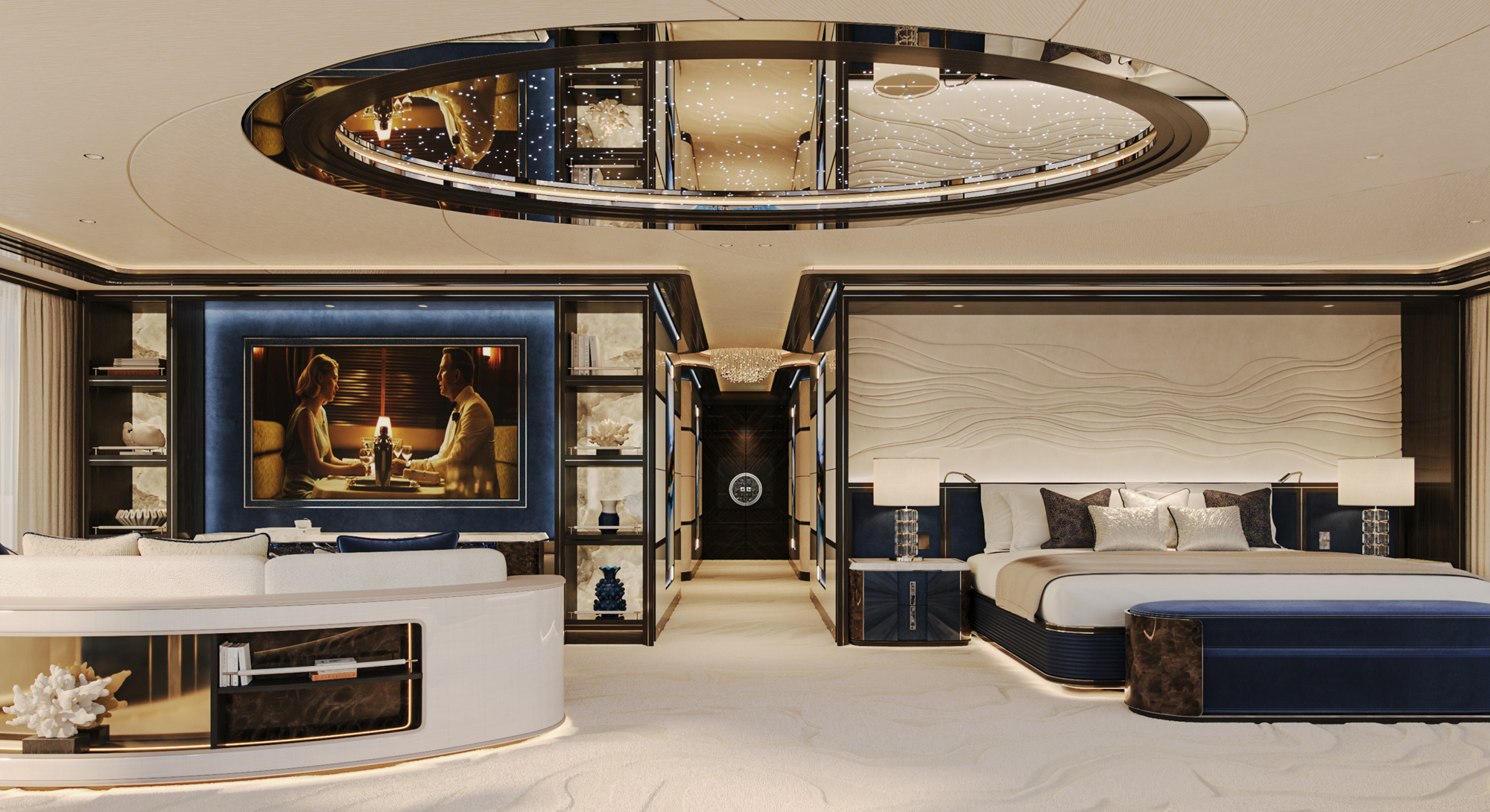
The interiors fulfill the owners’ goal of celebrating nature’s perfectly imperfect qualities. Traditionally, megayacht owners want flawless wood paneling. That, though, results in just 30 percent of the wood selection actually going aboard. The yacht Project Zero, by contrast, uses 70 percent of the smoked European oak veneer that Vripack selected. Additionally, the owners wanted to see the natural knots, graining, and even cracks. The same is true of visible cut lines on the slabs of “leathered” stone in the en suite baths. “The owners, who love the outdoors, wanted nature to truly resonate throughout the yacht,” Hoekstra explains. Furthermore, “Each element connects seamlessly to the next,” he says. “They’re what give Zero her sense of calm and cohesion.” It’s especially notable in the hand-carved, double-curved oak corners inside, as well as how the deck and superstructure seem to extend one into the other.
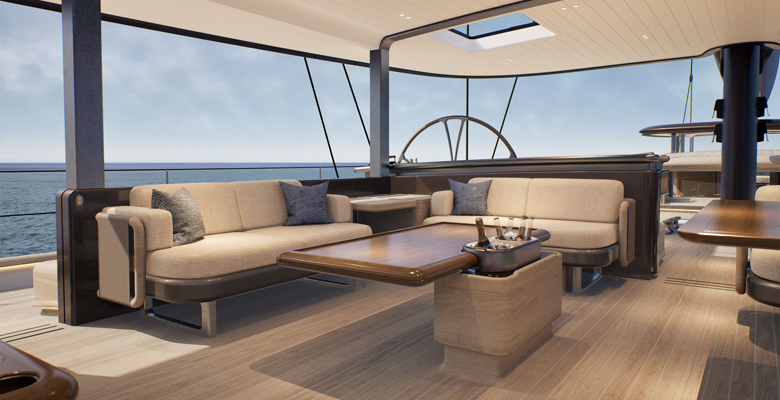
With four guest staterooms drawing décor inspiration from Italy, French Polynesia, and other destinations dear to the owners, the yacht Project Zero is for meaningful time with family and friends, too. The dining table, for example, does double duty for putting together puzzles, a favorite pastime. In the main cockpit, modular loveseats and tables—on castors—allow the crew to quickly arrange lounging or dining for anywhere from four to 12 guests. (The cockpit on the owners’ previous yacht was a point of contention, for them and their crew. It took a while to set things up.) Finally, there’s no need to vacate the cockpit or call the crew if a sudden squall arrives. At the push of a button, windows electrically enclose it.

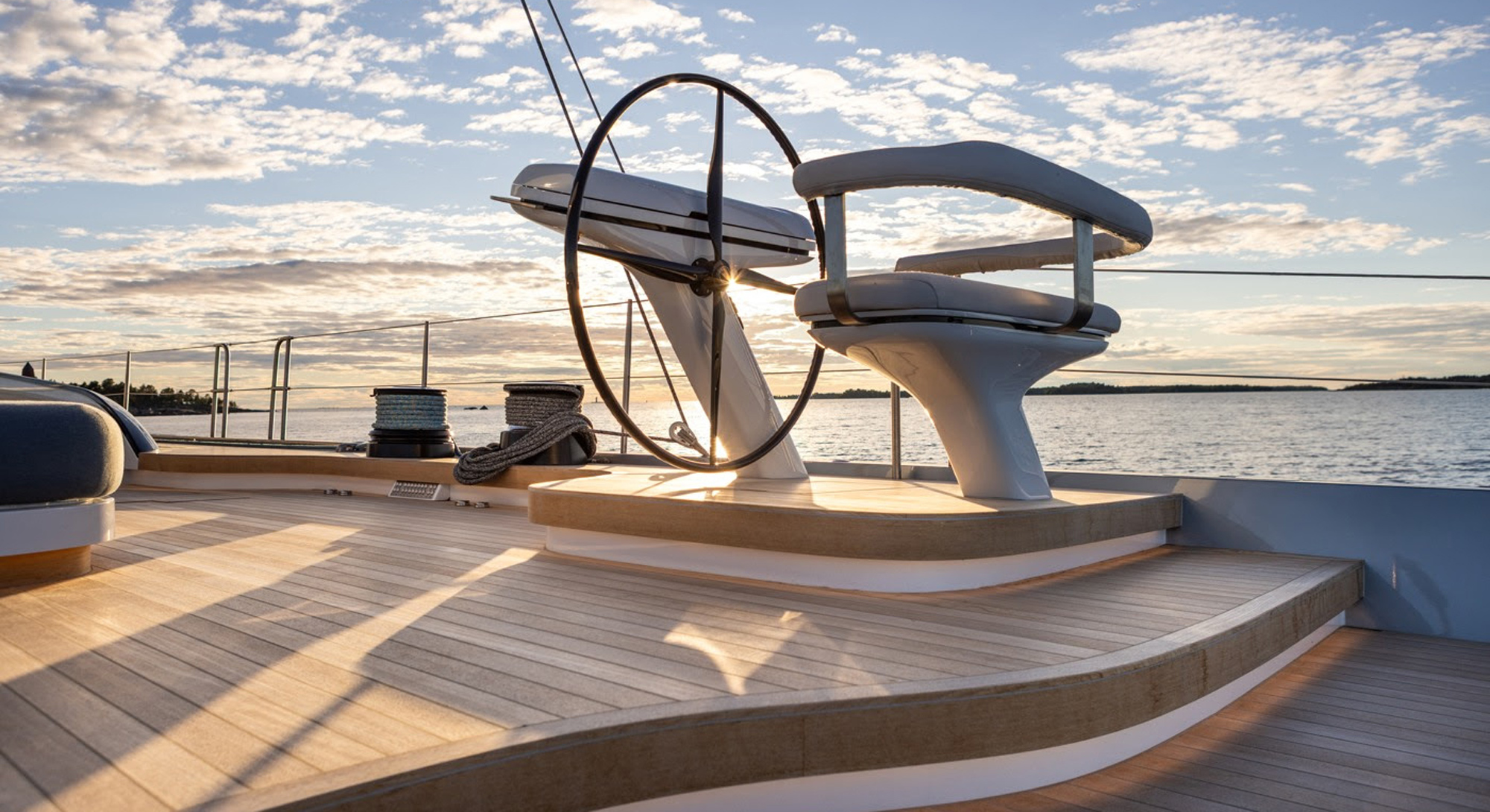
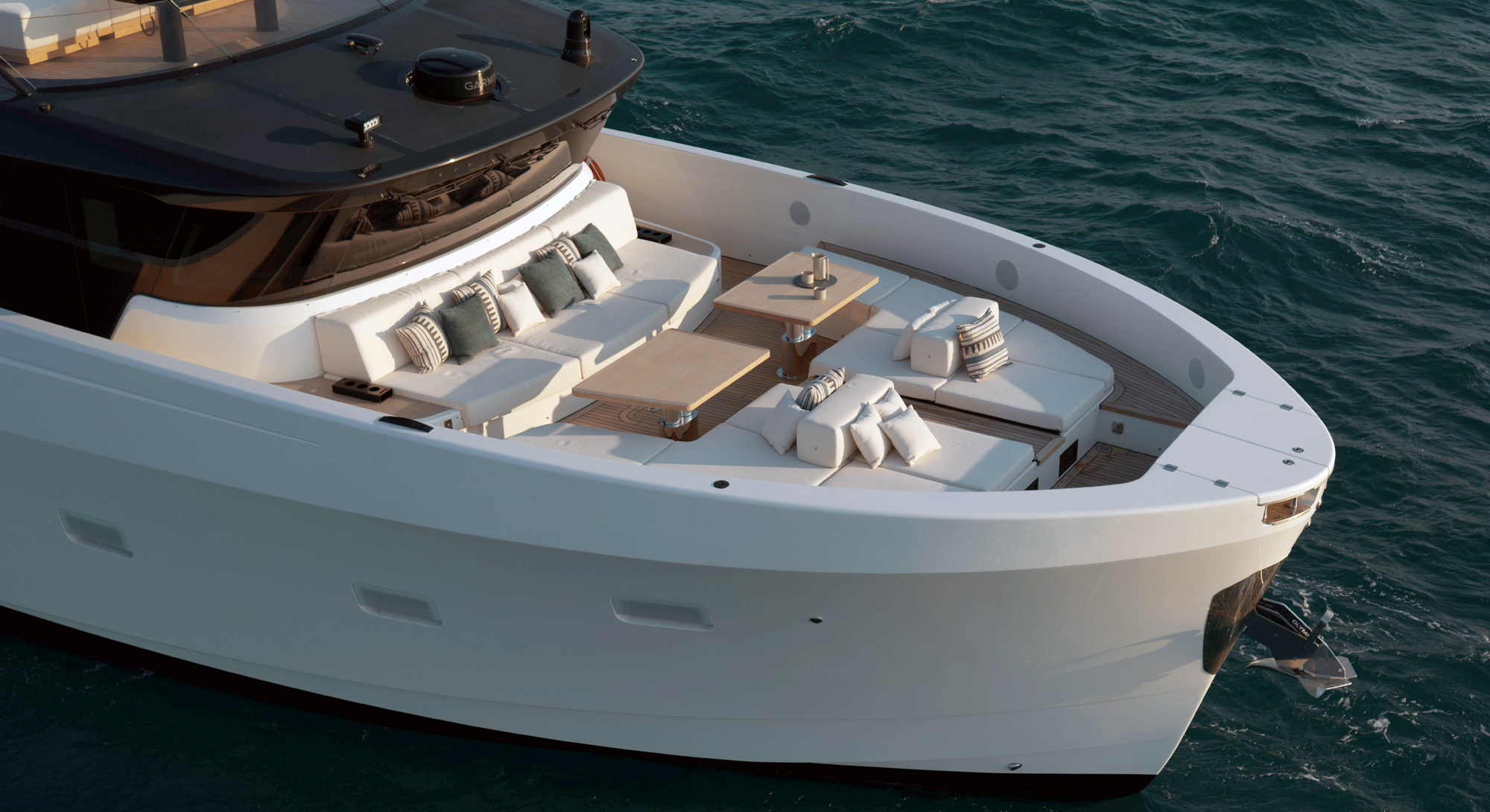
When the owners of Project Zero begin cruising, yacht watchers might be forgiven for thinking she’s like other sailing yachts. From a distance, she certainly will echo classic sailing design, with long overhangs, twin masts, and a low-profile superstructure. However, on closer inspection, her spoon bow, matte deck hardware (all custom), and hand-painted wood-look transom all prove otherwise. Aficionados would be wise to ask what drove the decisions—because, as Hoekstra says, the yacht was designed “as a single continuous object, not a collection of parts.”
Sailing Yacht Zero sy-zero.com
Vitters Shipyard vitters.com
Vripack vripack.com

More About the Yacht Project Zero
LOA: 226’0” (68.9 meters)
Beam: 36’5” (11.11 meters)
Draft: 16’4” to 27’6” (5 to 8.4 meters)
Guests: 10 in 5 staterooms
Rig: performance ketch
Sailplan: 18,858 square feet (1,752 square meters)
Builder: Vitters Shipyard
Stylist: Vripack
Naval Architect: Dykstra Naval Architects
Interior Designer: Vripack


Leave a Reply